In this Article
- Why Destination Type Matters More Than the Postcard View
- Criteria for Selection: What Makes a Destination iSUP-Friendly
- The Best Types of SUP Destinations for Inflatable Boards
- Conditions That Can Change the Best Choice on Any Day
- Scope and Limitations of This Destination Guide
- Final Takeaway: Choose the Water Before the View
Why Destination Type Matters More Than the Postcard View
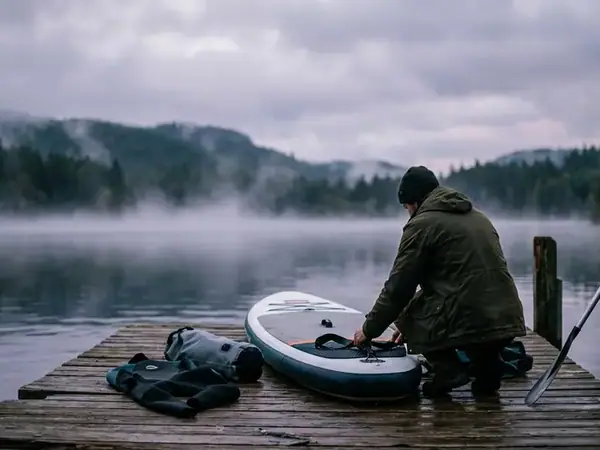
Unrolling a paddleboard from a travel backpack feels like the ultimate outdoor freedom. You can check an inflatable board on a commercial flight or toss it into the trunk of a compact rental car. An inflatable board packs easily, but the water still determines whether the outing is manageable. We frequently see traveling paddlers select locations based entirely on scenic photography. They arrive at a stunning coastal cliff only to find nowhere safe to launch.
Practical ranking factors dictate a successful trip. Launch access, wind exposure, current, board handling, packing logistics, and your overall safety margin matter far more than the view. A beautiful location with a rocky, surging shoreline is useless to a paddler carrying a fully rigged inflatable board.
Critical Insight: Sheltered exits and predictable wind matter more than scenic value when planning an inflatable paddleboard route.
Criteria for Selection: What Makes a Destination iSUP-Friendly
How do we measure a truly suitable paddling location? A numerical scorecard was considered and dropped because destination suitability changes too much with weather, season, local access, and paddler skill—the final framework instead uses observable field criteria.
We evaluate each destination type by looking for protected water and simple launch and landing options. Predictable wind exposure and low-conflict boat traffic are baseline requirements. Forgiving shorelines, legal access, and realistic self-rescue options complete the profile.
Inflatable boards handle travel, storage, and shallow approaches exceptionally well due to their buoyant volume. They remain highly affected by windage, fin depth, chop, current, and load weight. Pre-launch checks must include verifying local rules, access permission, weather, water temperature, emergency exits, and whether the board's fin depth suits shallow approaches.
The Best Types of SUP Destinations for Inflatable Boards
Scope and Limitations of This Destination Guide
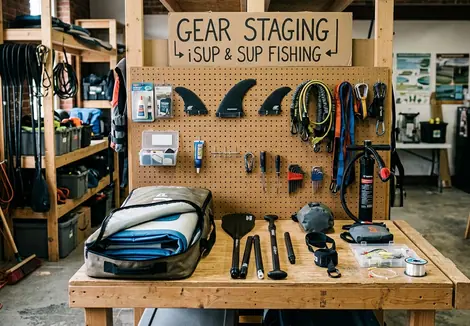
We order this list from generally forgiving water toward more condition-sensitive travel settings. Beginners should encounter sheltered lakes before attempting tidal marshes, island routes, or urban harbors.
1. Sheltered Inland Lakes
Sheltered inland lakes represent the best all-around destination type for most inflatable SUP users. These environments offer calm-water practice, easy shoreline exits, and simple gear staging areas that suit beginners perfectly. However, a small inland lake can be a poor iSUP choice when afternoon wind funnels down its long axis and pushes paddlers away from the launch. Always monitor the forecast for sudden gusts and prepare for cold water temperatures, even on sunny days.
2. Slow Rivers and Canal Corridors
Gentle currents and linear routes make slow rivers and canal corridors highly suitable for packed iSUP travel. Navigating these waterways requires careful shuttle planning before you ever inflate your board. Slow rivers are not automatically beginner-friendly; strainers, bridge pilings, low-head dams, and missed take-outs can turn gentle current into a planning problem. You must identify and confirm your exit points before committing to the route, ensuring you never float past your intended landing zone.
Conditions That Can Change the Best Choice on Any Day
Destination type serves only as the first filter in your planning process. Daily conditions routinely make a normally easy location entirely unsuitable. A protected bay can be easier than a lake on the right day, but only if the paddler stays inside the cove, avoids offshore wind, and has more than one practical landing option.
Wind direction, sudden gusts, tide stage, and current speed dictate the reality of the water. Water temperature, approaching storms, heavy boat traffic, and poor visibility require immediate route adjustments. Coastal safety agencies routinely recommend checking an official marine or local forecast before launch. Paddlers in the United States should consult NOAA marine forecasts as their primary reference.
Recommendation: If the return leg would be into the wind, shorten the route, reverse the plan if legal and practical, or choose a more protected launch.
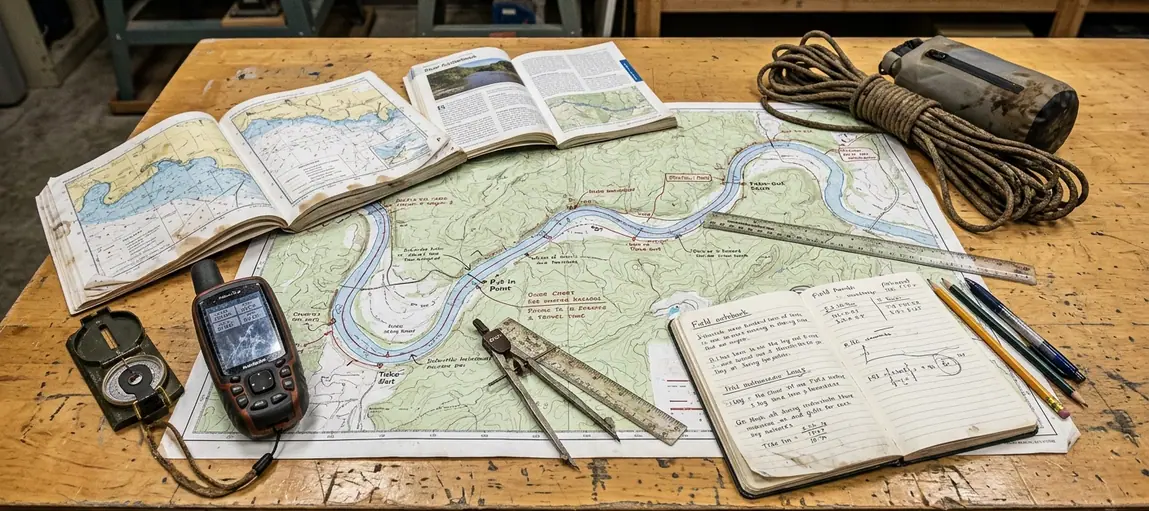
This framework establishes a baseline for comparing destination types, rather than certifying any specific named route or launch as safe. Named route legality, access hours, parking rules, water quality advisories, and emergency response options must be verified locally.
Variables change the decision at the launch point. Paddler skill, board size, load weight, water temperature, leash choice, personal flotation device requirements, and local regulations dictate what is appropriate on any given morning. While my multi-year expedition planning experience informs these categories, this guide is useful for comparing destination categories, not for replacing local knowledge, current forecasts, posted rules, or conservative judgment on the water.
Final Takeaway: Choose the Water Before the View
What defines a successful paddleboarding trip? The best inflatable SUP destination is simply the one where the paddler can launch, paddle, turn back, and land with total control.
Choose the water conditions first. Let scenery, wildlife, or travel appeal become secondary filters. The control sequence is non-negotiable. Launch cleanly, paddle within your ability, turn back before conditions deteriorate, and land without depending on a single emergency exit.
Progression takes time. Move from sheltered, readable water toward tidal, coastal, or island routes only after you have practiced turning, remounting, route shortening, and wind-aware planning.