
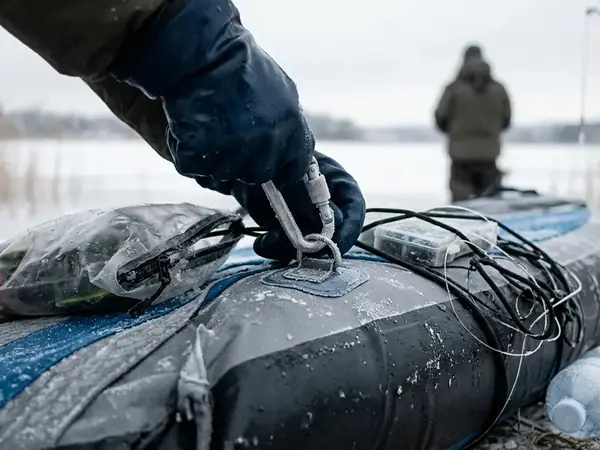
Most paddling problems trace back to choices made on land: the wrong board size, a leash skipped because the launch looked calm, a deck that wasn't rigged for the trip. We write for the moments before and after the paddle, where the decisions get made.
Where iSUP guidance breaks down
Ask three paddlers about board pressure and you'll get three answers. That's the gap. Plenty of advice exists, but it skips the reasoning, so paddlers memorize a number without understanding why a colder morning or a heavier load shifts it.
Our approach starts with the physics and ends with a habit you can repeat. When we explain rigidity, we connect it to drop-stitch construction and rail thickness rather than leaving it at "firmer is better." When we cover storage, we tie it to the failure modes a board actually shows after a hot summer in a garage.
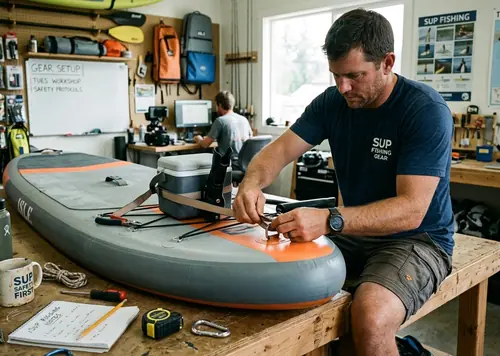
The result reads like field notes, not a brochure. Some answers are short. A leash on moving water is non-negotiable, full stop. Others need context, like matching board volume to body weight and gear, where the right answer depends on what you're carrying and where you launch.
Quick Tip:
Check board pressure with a gauge before every session, not by feel. A hand press tells you almost nothing about whether you've hit the rated PSI, and underinflation is the most common cause of a board that flexes and tracks poorly.
What we cover
Six areas, each built around the questions paddlers actually send us. Pick the one that matches where you are right now.
Inflatable Paddleboards
How construction, rigidity, and board format affect the ride, plus what to weigh before you buy.
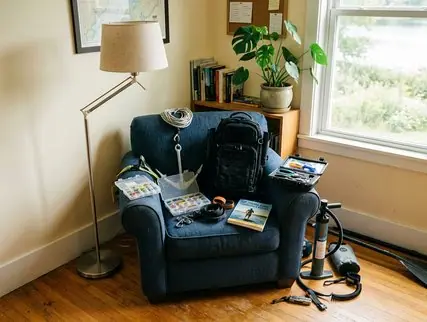
SUP Fishing
Stability, rod storage, anchors, and rigging layouts for paddling that doubles as a fishing platform.
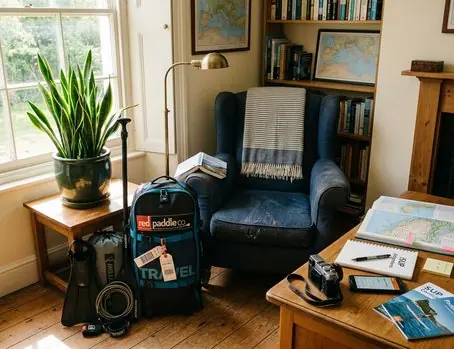
SUP Travel & Destinations
Airline logistics, packing systems, and seasonal planning for paddlers who travel with their boards.
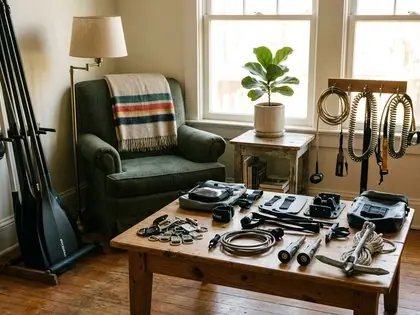
Accessories & Rigging
Paddles, leashes, anchors, and deck organization, with what each piece is actually for.
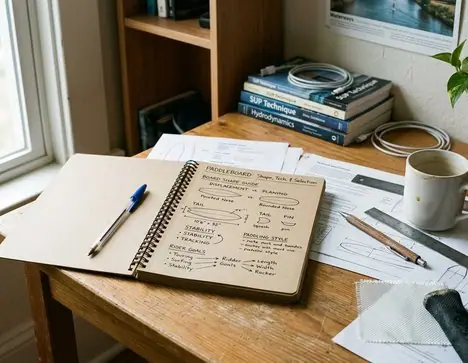
Paddling Skills & Board Fit
Matching board shape and size to your body and goals, plus the technique that makes tracking easier.
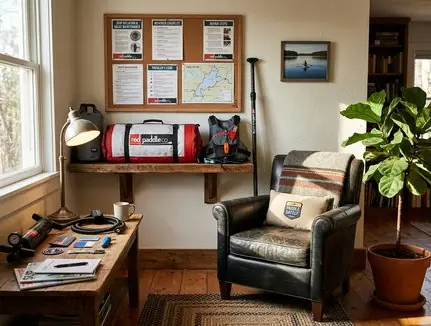
Safety & Board Care
Inflation, storage, repair, weather awareness, and the maintenance that keeps a board lasting.
Note:
No guide replaces local conditions. Wind, current, and water temperature change fast, and a plan that works on a sheltered lake can put you at risk on open water. Read the day in front of you before you launch.
Who writes these guides
Airhead SUP runs as an educational media hub, edited under content director Mara Linwood, whose focus spans board fit, rigging, and on-water safety for inflatable setups. The team paddles the gear it writes about across lakes, rivers, and coastal flats, then writes from what holds up in use.
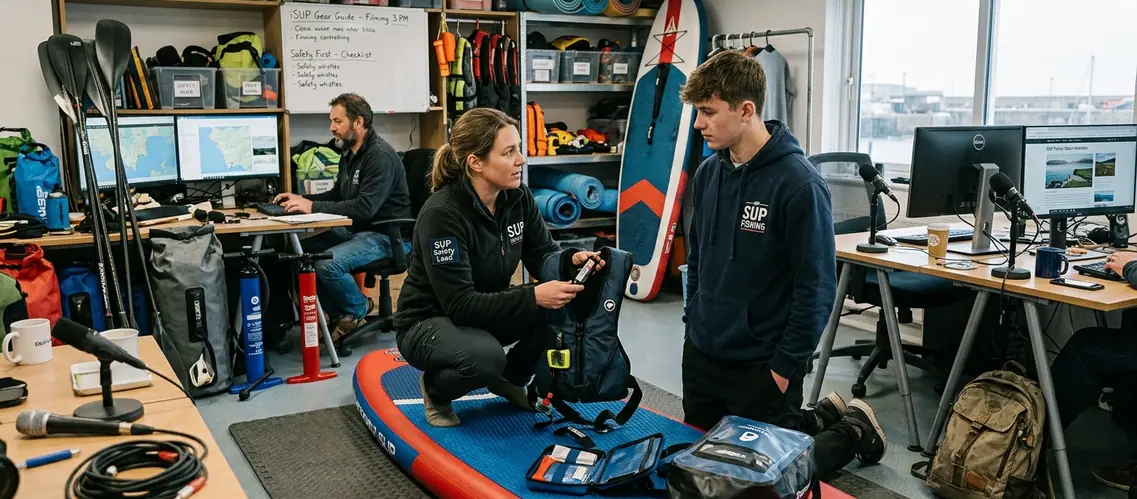
We aim to be specific rather than exhaustive. Our reviews lean on hands-on testing and the questions readers raise, which means our coverage reflects the conditions and gear we've worked with directly, not every board or accessory on the market. Where we haven't tested something, we say so.
Summary:
Safer paddling comes from a handful of repeatable habits: inflate to the rated pressure, wear a leash matched to the water, fit the board to your body and load, and read the weather honestly. The guides here explain each one in plain language.
Latest Paddling Guides
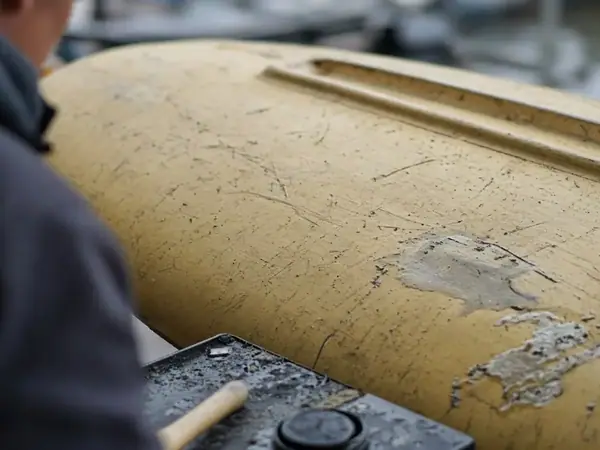
How a Sudden Offshore Wind Turned a Calm Paddle Into a Rescue: Lessons Learned

From Wobbly to Stable: How One Paddler Solved Their Balance Problem With a Board Swap
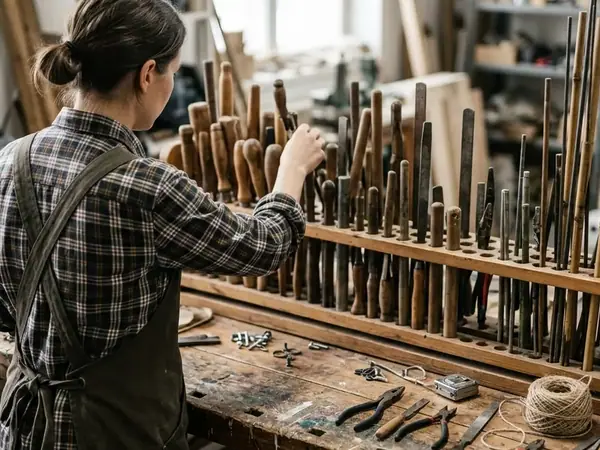
Rod Holders Explained: A Complete Guide to Mounting, Types, and Placement
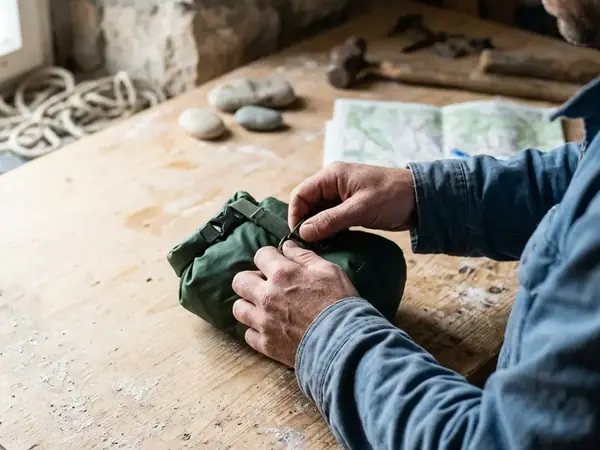
Paddling the Croatian Coast With Only Carry-On: An iSUP Travel Case Study
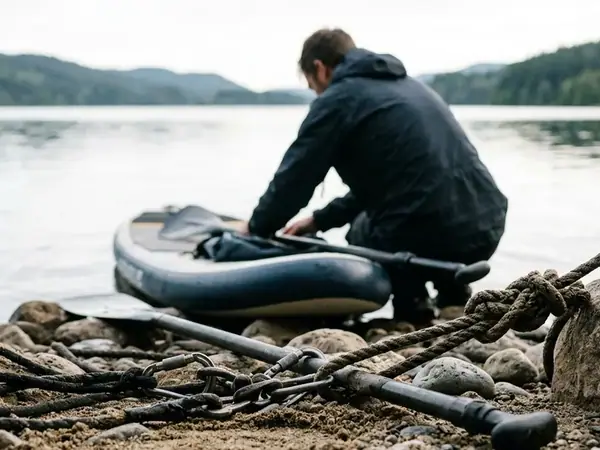
The Complete Guide to Anchoring Your SUP for Fishing in Any Water

The Case Against Owning Two Boards: Why One Versatile iSUP Beats a Quiver
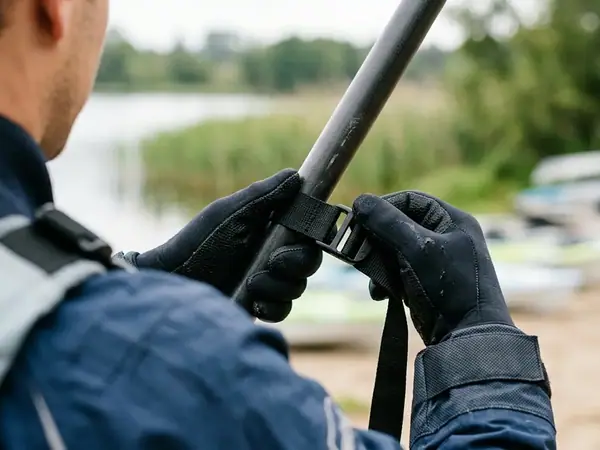
Why PSI Obsession Is Overrated for Most Recreational Paddlers
42+Safety & Skill Tutorials
277+Global Paddling Destinations
28+Years of Expert Experience
355+In-Depth Gear Reviews
Our Process
Explore
Find subjects that spark your curiosity.
Craft
Write thorough, well-sourced material.
Deliver
Connect with readers seeking these answers.