In this Article
- The Challenge: Repeated Salt, Heat, Inflation, and Storage
- The Solution: A Repeatable Field and Inspection Protocol
- Results After Three Seasons: A Component-by-Component Audit
- Why the Board Aged This Way
- When a Cheaper iSUP Is Worth It: A Copyable Decision Check
Three Coastal Seasons, One Entry-Level Board
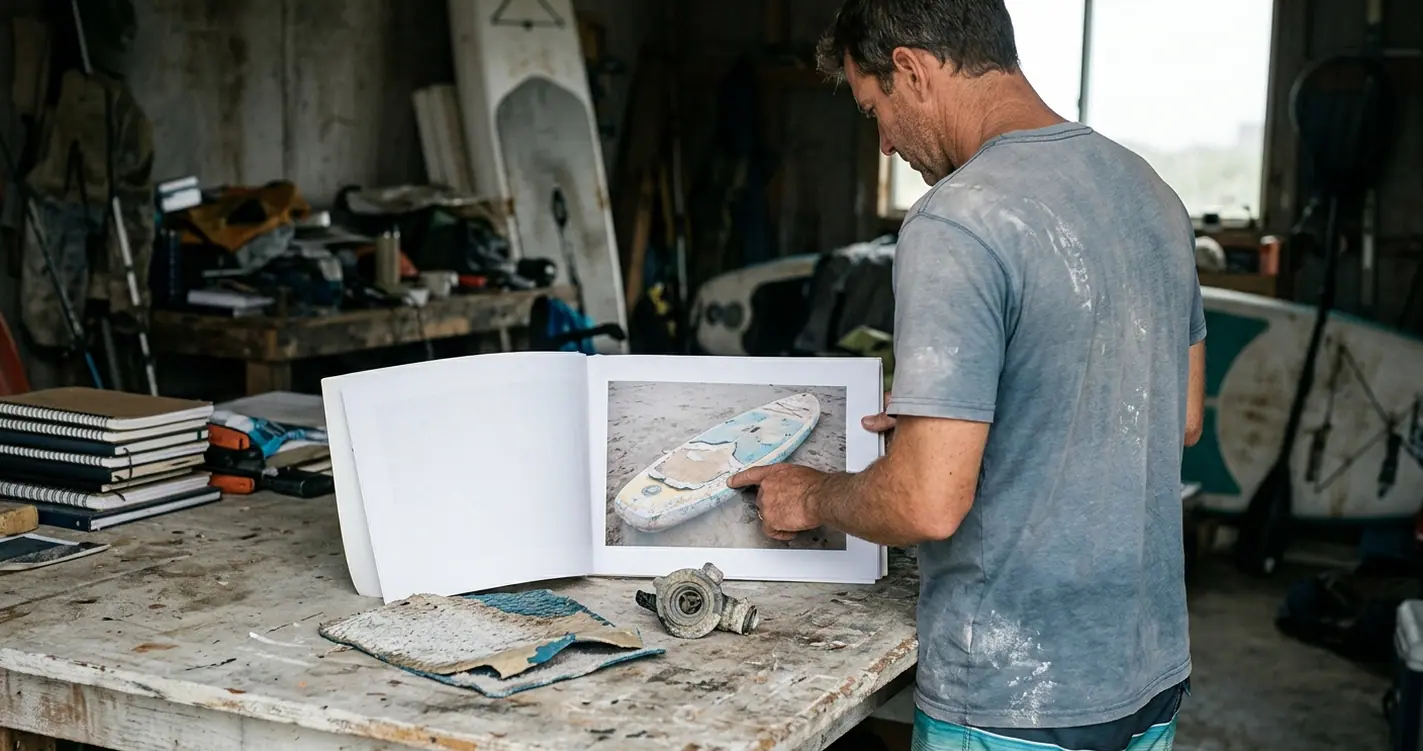
The budget inflatable paddleboard completed three full seasons of coastal use before this final assessment. Evaluating its condition requires separating cosmetic wear from structural degradation. The evaluation tracks what deteriorated and what remained serviceable to determine if the lower purchase price delivered reasonable value over time.
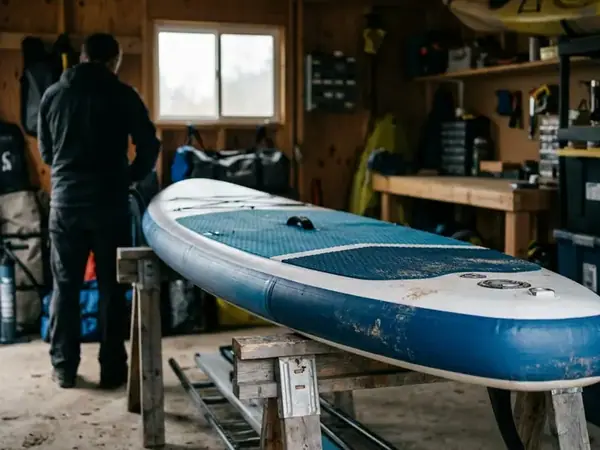
This report concerns one entry-level inflatable board rather than a multi-board comparison. The inspection focuses on four principal areas: rail and tail seams, externally observable drop-stitch-related hull shape, valve performance, and associated exterior wear. Dated photographs establish a clear baseline from before the board touched the water.
The Challenge: Repeated Salt, Heat, Inflation, and Storage
Coastal exposure combines salt residue, abrasive sand, ultraviolet exposure, heated transport, and repeated inflation cycles. These elements stress an inflatable board differently than occasional freshwater use. Flex during carrying and paddling compounds the environmental wear.
Failure consequences vary significantly by component. Seam separation can become structural, compromising the air chamber. Internal drop-stitch problems can distort the hull, altering how the board tracks and balances. Valve leakage undermines usable pressure, directly impacting safety and board care.
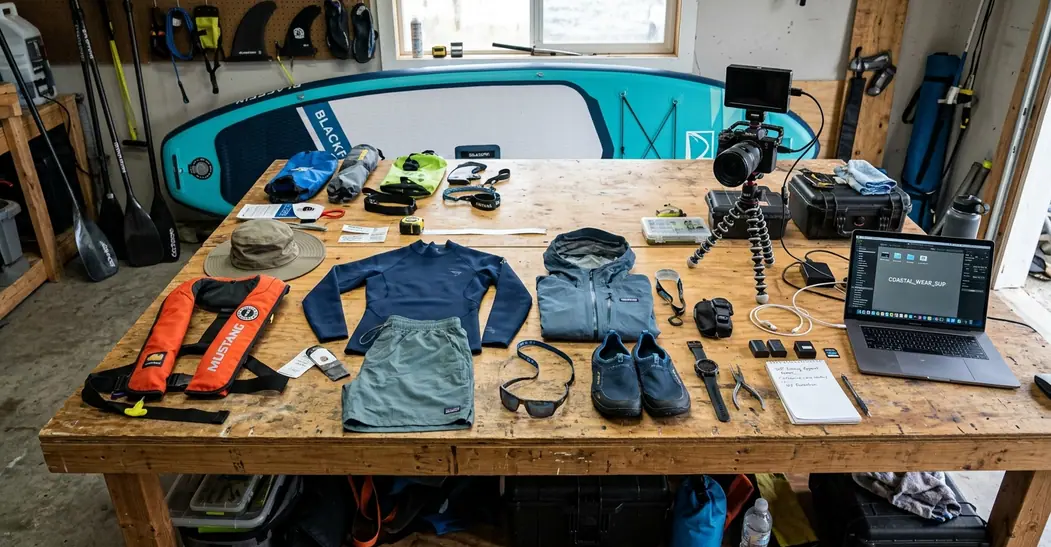
Critical Insight: A board can look faded and heavily scuffed yet remain serviceable if its seams, shape, and pressure behavior are stable; a cleaner-looking board with continuing valve bubbles or a growing bulge presents the more consequential failure.
Classifying each observation by consequence prevents premature retirement of functional gear. Fading, transfer marks, and shallow scuffs belong in the cosmetic category. A seam defect becomes materially different from cosmetic adhesive discoloration when the edge opens, the affected area progresses between dated inspections, or air escapes.
The Solution: A Repeatable Field and Inspection Protocol
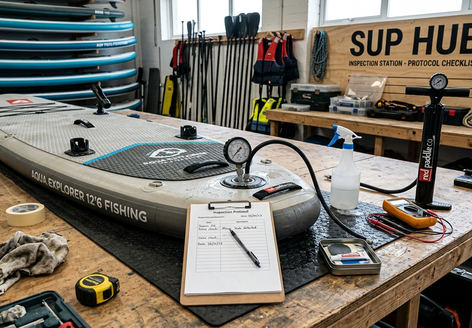
Tracking wear on a budget board over three years requires organizing the record into four checkpoints: baseline, end of season one, end of season two, and end of season three. The protocol divides the rails into four repeatable photographic zones: nose-left, tail-left, tail-right, and nose-right. Separate frames capture the tail seam, valve, fin box, deck pad, and full side profile.
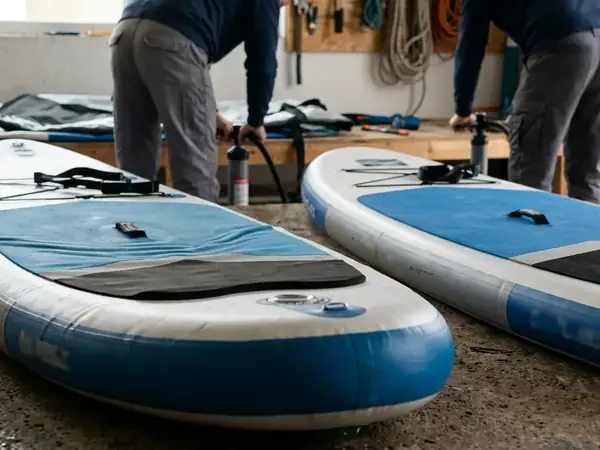
Maintenance choices focused on removing salt and sand, drying trapped moisture, avoiding excessive heat, and following the board manufacturer's pressure guidance. Pressure comparisons use the same gauge and location. The logs record whether the board was in shade or sun, the inflation time, and the elapsed hold interval. Pressure readings can change after moving a board between cool shade, warm sand, direct sun, or water, so unmatched readings do not by themselves demonstrate a leak.
Because this assessment tracks a single board under one ownership routine with variable coastal exposure and lacks destructive internal examination, its three-season record cannot establish a universal lifespan for all entry-level inflatable paddleboards. The method relies on external indicators and documented maintenance routines.
Results After Three Seasons: A Component-by-Component Audit
The confirmed result is the completion of three coastal seasons. No other condition outcome is stated without a corresponding inspection record. Seam reporting identifies the exact area and character of the finding, noting discoloration, abrasion, adhesive change, edge lifting, or bubble-confirmed leakage.
Drop-stitch reporting is limited to external indicators. These include profile, symmetry, stiffness at the prescribed operating pressure, localized bulging, soft areas, and rocker change. Valve reporting distinguishes debris at the seat, cap or tether damage, audible leakage, and continuing bubbles during a soapy-water check.
Three-Season Component Audit| Component | Baseline condition | Season-three condition | Practical consequence | Evidence source | Action taken |
|---|---|---|---|---|---|
| Rail and tail seams | Enter only from the earliest dated inspection | Documented edge lifting or discoloration | Monitor for progression or air loss | Dated photographic zones | Soapy water pressure check |
Why the Board Aged This Way
Wear at launch-contact points is reasonably associated with abrasion. Residue around the valve points to incomplete cleaning, while recurring flex at rail seams aligns with carrying habits. Comparing suspected defects across the baseline and season-three images establishes whether a change was progressive.
Absence of visible bulging or profile change does not establish that internal drop-stitch yarns, coatings, or bonds remain unchanged. Manufacturer pressure, repair, storage, and retirement instructions take precedence over the field protocol.
Risk Factor: Retirement or professional-assessment triggers include active structural seam separation, a bulge that increases between inspections, persistent unexplained pressure loss, or damage beyond the owner's repair competence.
Three completed coastal seasons document past performance of one board; they neither guarantee another season nor establish that all inexpensive boards share the same durability. The environment dictates the wear rate just as much as the manufacturing quality.
When a Cheaper iSUP Is Worth It: A Copyable Decision Check
Budget boards suit moderate recreational use when the owner can inspect, rinse, dry, store, and replace the board without treating it as lifetime equipment. This contrasts sharply with situations demanding greater margin and support. Remote SUP trips, frequent coastal exposure, heavy accessory or rigging loads, or trips where equipment failure would complicate a safe return require different equipment standards.
Recommendation: Choose normal near-shore use only when abrasion is cosmetic and hull shape and pressure behavior remain stable.
For example, after a third coastal season, the owner places the clean, dry board in shade and photographs every rail quadrant, the tail seam, valve, fin box, and full hull profile. The seam edges show shallow scuffs but no opening, the hull remains symmetrical, and no continuing bubbles appear after the valve area is cleaned and checked with soapy water. A second pressure reading taken with the same gauge, location, sun exposure, and hold interval matches the baseline check. Those dated findings support keeping the board in normal near-shore use; continuing valve bubbles, growing seam lift, or a changing hull profile would instead take it out of service.