In this Article
- The Short Verdict: Choose by Water, Not by Hype
- How This Review Compares the Two Setups
- On-Water Feel: Glide, Stability, Tracking, and Flex
- Transport and Setup: Apartment Closet vs. Roof Rack
- Durability Is Different: Dings, Abrasion, Punctures, and Repairs
- Match the Board to Your Water: Lakes, Rivers, Coasts, Fishing, and Travel
- Cost and Long-Term Value: What You Pay for After the Board
- Safety, Scope, and Launch Judgment
- Final Recommendation: Let the Routine Pick the Board
The Short Verdict: Choose by Water, Not by Hype
Inflatable SUPs favor storage, travel, and forgiving contact with docks or rocky launches. Hard paddleboards favor responsiveness, glide, and the simple pleasure of pulling a board from a rack and launching right away.
That is the cleanest split. It is also the one that gets lost when shoppers compare only length, width, or package price. A paddler in a third-floor apartment may use an inflatable twice a week because it fits in a closet, while a technically better-gliding hard board would never make it down the stairwell after work.
This is a review of board formats, not a ranking of specific models. The better setup depends on where the board lives, how it gets to the water, and what kind of water it sees most often.
Critical Insight: Beginners with limited storage or travel plans usually get more utility from an inflatable SUP. Frequent local paddlers on choppy, windy, or performance-oriented water should give hard boards a serious look.
How This Review Compares the Two Setups
A spec-sheet comparison looks tidy until the board has to be carried, inflated, rinsed, repaired, and stored. Length, volume, and construction labels matter, but they do not explain why one board gets used and another becomes garage scenery.
The useful comparison treats each format as a complete setup: board, pump, center fin, leash, paddle, bag or rack, vehicle transport, storage method, and repair kit. That lens better matches how recreational paddlers actually own gear.
The categories that matter in use
- On-water feel, including glide, flex, tracking, and stability underfoot
- Transport and setup time from home to launch
- Stiffness and load handling with a paddler, dry bag, child, dog, or fishing gear
- Durability, maintenance routines, and realistic repair access
- Safety margin in wind, current, cold water, and changing weather
- Fishing use, travel practicality, and accessory compatibility
The editorial standard here is deliberately ordinary: compare real-use categories relevant to recreational paddlers rather than brand claims or isolated specifications. Speed claims are avoided unless tied to a named test protocol; glide, tracking, flex, launch friction, and load handling tell most buyers more.
On-Water Feel: Glide, Stability, Tracking, and Flex
What does “better feel” actually mean on a paddleboard?
Start at the feet. A hard board holds its hull shape and rail profile when the paddler loads the paddle, steps back, or crosses boat wake. That firmness makes the board feel more direct. The paddle stroke transfers into forward motion with less deck flex, and the board tends to carry momentum better between strokes.
A properly inflated inflatable can still feel stable and efficient on calm water, especially in wider all-around shapes. Beginners often like the softer deck and the broad, forgiving platform. Heavier riders, extra dry bags, or a cooler strapped to the nose can make the deck feel springier, which is not always unsafe but does change the rhythm of the stroke.
Tracking depends on more than construction
Fins matter. Longer center fins usually improve straight-line tracking on both formats, while shorter or flexible fins make more sense in shallow rivers, weed beds, and rocky launches. In wind and short-period chop, inflatables often need more active correction strokes because thicker rails and lighter carried weight can get pushed around more easily.
So the partial answer is this: hard boards usually win on glide and response; inflatables can be plenty composed on protected water when matched to the paddler and inflated correctly.
Transport and Setup: Apartment Closet vs. Roof Rack
Picture the routine from the front door to the waterline. That routine often decides the purchase before hull shape does.
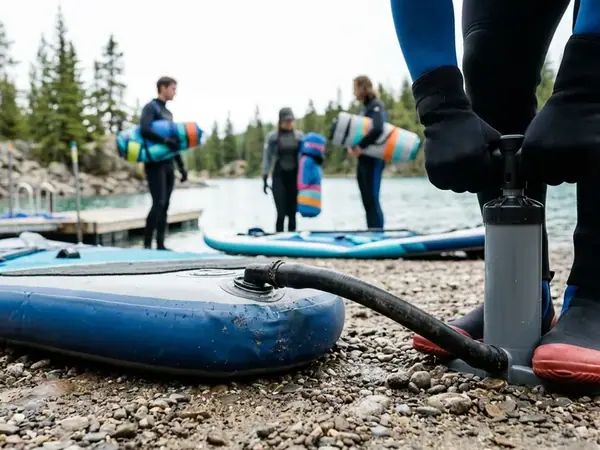
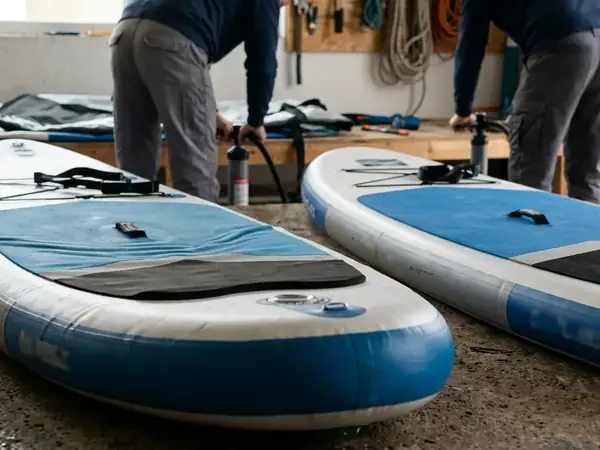
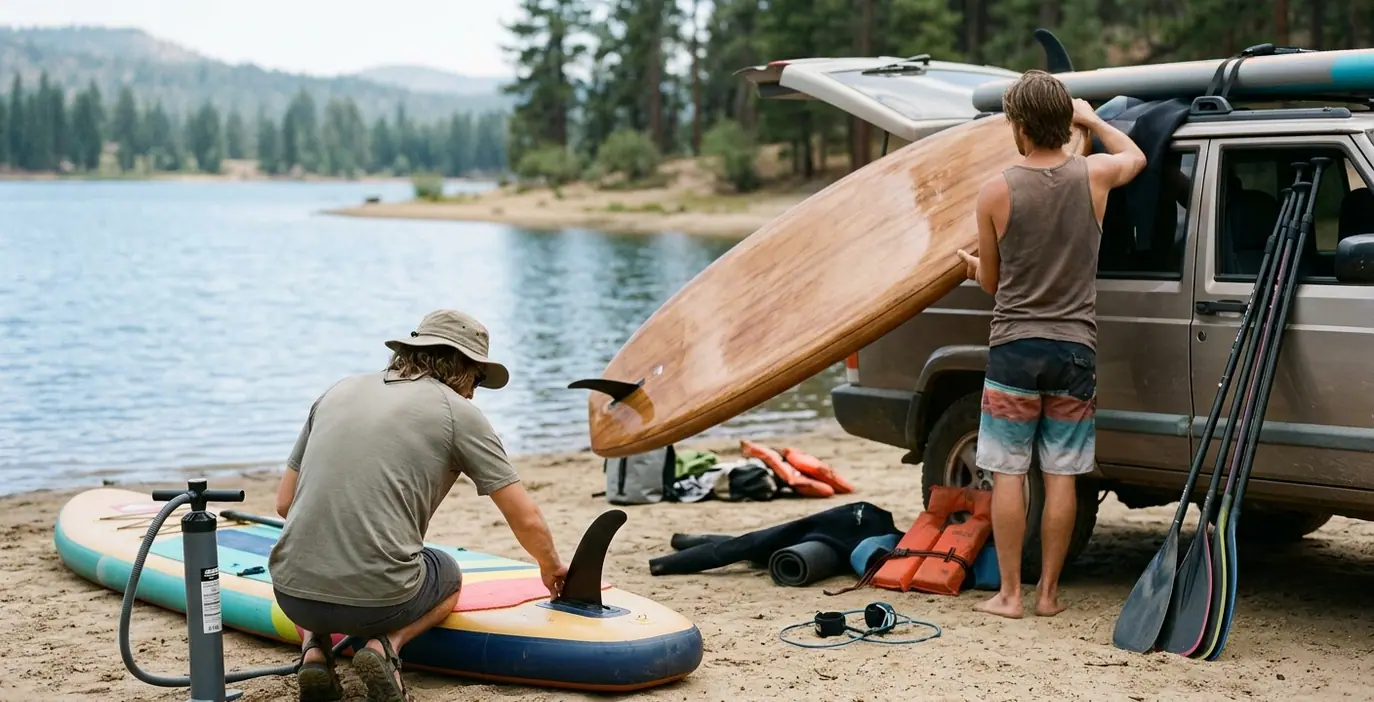
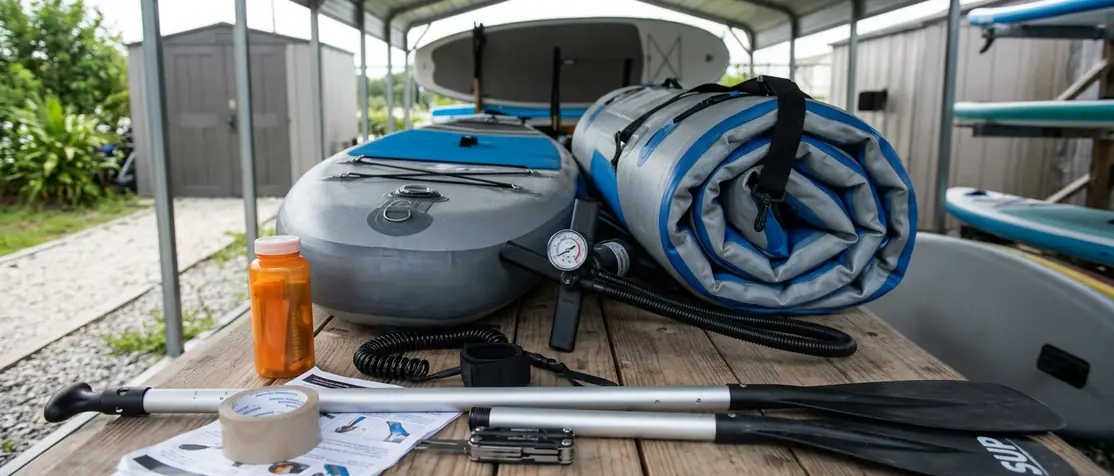
An inflatable routine looks like this: carry the bag, unroll the board, connect the pump hose, inflate to the manufacturer’s marked pressure range, install the fin, attach the leash, paddle, then rinse, dry, deflate, roll, and repack. Hand pumping commonly becomes an 8-15 minute task for many recreational boards. Electric pumps reduce effort, but they bring battery charge, power-port access, and noise into the plan.
A hard-board routine is different. Remove the board from a rack or garage, load it onto a vehicle or cart, secure it with roof straps, protect the rails from strap abrasion, unload at the launch, and paddle without inflation time. For someone who stores a board on a marina rack, a hard board can turn a short evening window into an actual paddle.
Small homes change the math
Apartment and shared-rental details matter: stairwell turns, elevator length, wet board storage in a tub or balcony area, and whether a salty board can dry before being rolled. In practice, a board that performs well but is awkward to move may sit unused during short afternoon windows.
Recommendation: If setup friction will stop a paddle not far from 45 minutes from happening, choose the format that makes launching easiest in your normal week.
Durability Is Different: Dings, Abrasion, Punctures, and Repairs
Durability is not one scale with hard boards at one end and inflatables at the other. It splits into impact tolerance, abrasion resistance, pressure management, and repair consequences.
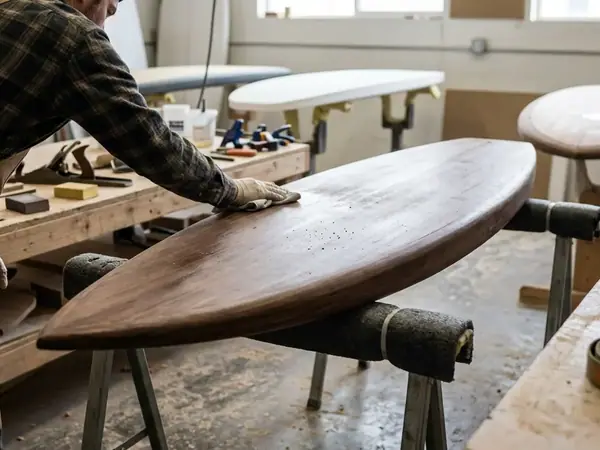
Hard boards can chip, crack, take rail dings, or suffer fin-box damage when dropped on pavement, knocked against docks, overtightened on roof racks, or dragged across rocks. With careful storage and timely repair, they can last a long time, but water intrusion around damaged areas deserves prompt attention.
Inflatables tolerate many low-speed bumps well. They are less pleasant around sharp objects: exposed metal, oyster shell, broken glass, sharp rock edges, stressed seams, and valve problems. Heat also matters. A fully pressurized inflatable left in hot sun or inside a hot vehicle can move outside its intended pressure environment.
Maintenance checklist for both formats
- Rinse salt and grit after use.
- Inspect the fin box and leash attachment points.
- Dry the board before storage, especially before rolling an inflatable.
- Avoid dragging across gravel, pavement, and shell beds.
- Keep the board out of prolonged direct sun when not paddling.
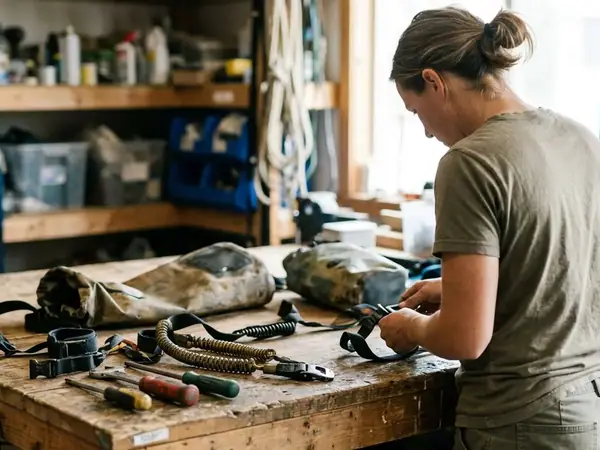
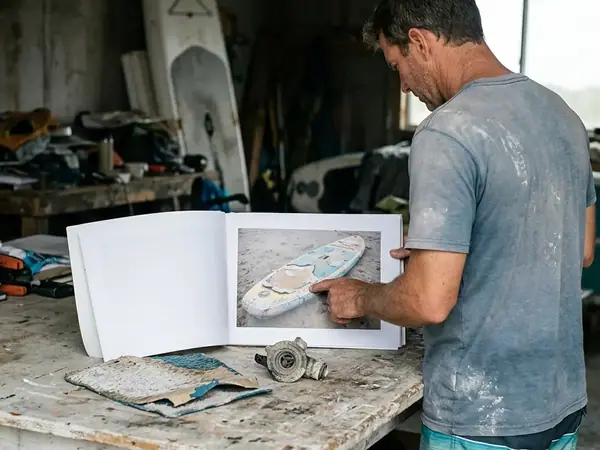
Inflatable owners should listen around the valve after inflation, confirm the valve stem is seated, inspect seams after hot car storage, and keep repair patches and a valve wrench where they can be found. Hard-board owners should look for hairline cracks around the rails, nose, tail, handle, and fin box, then dry the area before repair so moisture is not sealed under patch material.
Match the Board to Your Water: Lakes, Rivers, Coasts, Fishing, and Travel
The same paddler may prefer an inflatable for a rocky creek trip and a hard board for a windy coastal fitness loop. A generic winner is less useful than a water-by-water match.
Calm lakes and casual fitness
Inflatables often make sense on protected lakes because easy transport, stable deck width, and soft contact with docks matter more than peak glide. A hard board can still be the better choice on the same calm lake if the owner stores it on a marina rack and launches in minutes.
Windy reservoirs and coastal chop
Hard boards usually feel more planted and efficient here, especially when the paddler is crossing boat wake or holding a line back to the launch. An inflatable that feels stable on a protected pond can feel busy and wind-pushed on an open reservoir with afternoon chop and a cooler strapped to the deck.
Rocky rivers, shallow creeks, and fishing days
Inflatables are practical for bumping through shallow sections, but fin depth, current strength, foot entrapment hazards, and quick-release leash judgment become more important. For SUP fishing, wider inflatables are easy to transport to small launches and can carry cooler bags, rod holders, and soft tackle storage. Hard boards provide a firmer deck when standing, casting, shifting stance, or moving gear.
Travel paddling
Inflatables are the logistical favorite for road trips, small cars, shared rentals, and flights where permitted by airline baggage rules. The plan still needs drying time before packing, pump access, baggage size checks, and a place to rinse salt or mud before the return trip.
Cost and Long-Term Value: What You Pay for After the Board
The sticker price is only the opening bid. The more useful question is what the setup needs to stay usable through a full season.
Inflatable ownership costs can include a better pump, replacement hose gasket, upgraded paddle, stronger carry bag, spare fin, valve wrench, repair adhesive, and a drying or storage mat. Cheaper inflatable packages can disappoint if the pump, valve, fin box, or paddle is weak.
Hard-board ownership costs can include roof bars, board pads, cam straps, wall racks, rail tape, ding repair materials, fin replacement, and storage space that stays dry and shaded. A lower-priced hard board may still need transport gear before it ever reaches the water.
Buying used requires different checks
Used hard boards are often easier to inspect visually because cracks, soft spots, repaired dings, and fin-box damage can be seen or felt. Used inflatables need a pressure-hold check, valve inspection, seam inspection, fin-box check, and a look for crease wear where the board has been repeatedly folded.
Compare warranty terms, construction notes, included accessories, and local repair availability before treating two packages as equal. Value is the board plus the gear that keeps it from becoming a hassle.
Safety, Scope, and Launch Judgment
A stable inflatable or responsive hard board does not replace launch judgment. Board format helps, but flotation, leash choice, weather awareness, and self-rescue ability matter more when conditions change.
This comparison is written for recreational SUP, inflatable SUP travel, casual touring, SUP fishing, and beginner-to-intermediate paddling. It is not a racing, whitewater, downwind, or big-surf board-selection guide. The advice here assumes recreational conditions where the paddler can self-rescue or reach protected water; exposed crossings, cold-water immersion risk, fast current, surf zones, and instruction settings call for more specialized judgment.
Risk Factor: Before launching, check manufacturer pressure limits, fin security, leash condition, local boating requirements, wind direction, current, water temperature, and the return route.
Paddlers should use a properly fitted, serviceable, U.S. Coast Guard-approved life jacket where required or appropriate. The U.S. Coast Guard life jacket guidance is a practical reference before choosing flotation for a new setup.
Final Recommendation: Let the Routine Pick the Board
Choose an inflatable if the board must fit in an apartment, small car, shared rental, travel bag, or closet. It is also the sensible format when rocky launches and occasional trips matter more than crisp glide.
Choose a hard board if the paddler has rack or garage space, launches locally often, and values firm response, clean tracking, and better momentum through chop. The board will ask more from the owner on storage and transport, but it gives back a cleaner connection to the water.
Decision checklist
- Where will the board be stored when it is wet, salty, or sandy?
- How far is the carry from home, car, or rack to the launch?
- How often will it be paddled during a normal week?
- Is the launch rocky, shallow, crowded, or clean?
- Is the usual water calm, windy, shallow, coastal, or affected by boat wake?
- Will fishing gear, travel baggage, a child, a dog, or dry bags be part of the setup?
The right choice is not inflatable versus hard in the abstract. It is the board that matches the water, survives the routine, and gets used often enough to justify the space it takes up.